MMKProspects
Matthew Mitchell / Technical Director + Producer

I build worlds.
I direct the work.

I build and direct the systems behind playable worlds, production tools, simulation, procedural workflows, local AI, and connected media. I show the decisions, tests, and results behind the work.

Technical DirectorProduction systemsGames and connected media
Matthew Mitchell
Matthew MitchellTechnical direction / production systems / MMKPC Studios
1RHM game publicly listed on Steam
3RHM comic issues produced
5technical systems built as public demonstrations
7production lanes organized
Selected work

Creative direction with receipts.

Each project shows the problem, the production role, the decisions, and the finished work.

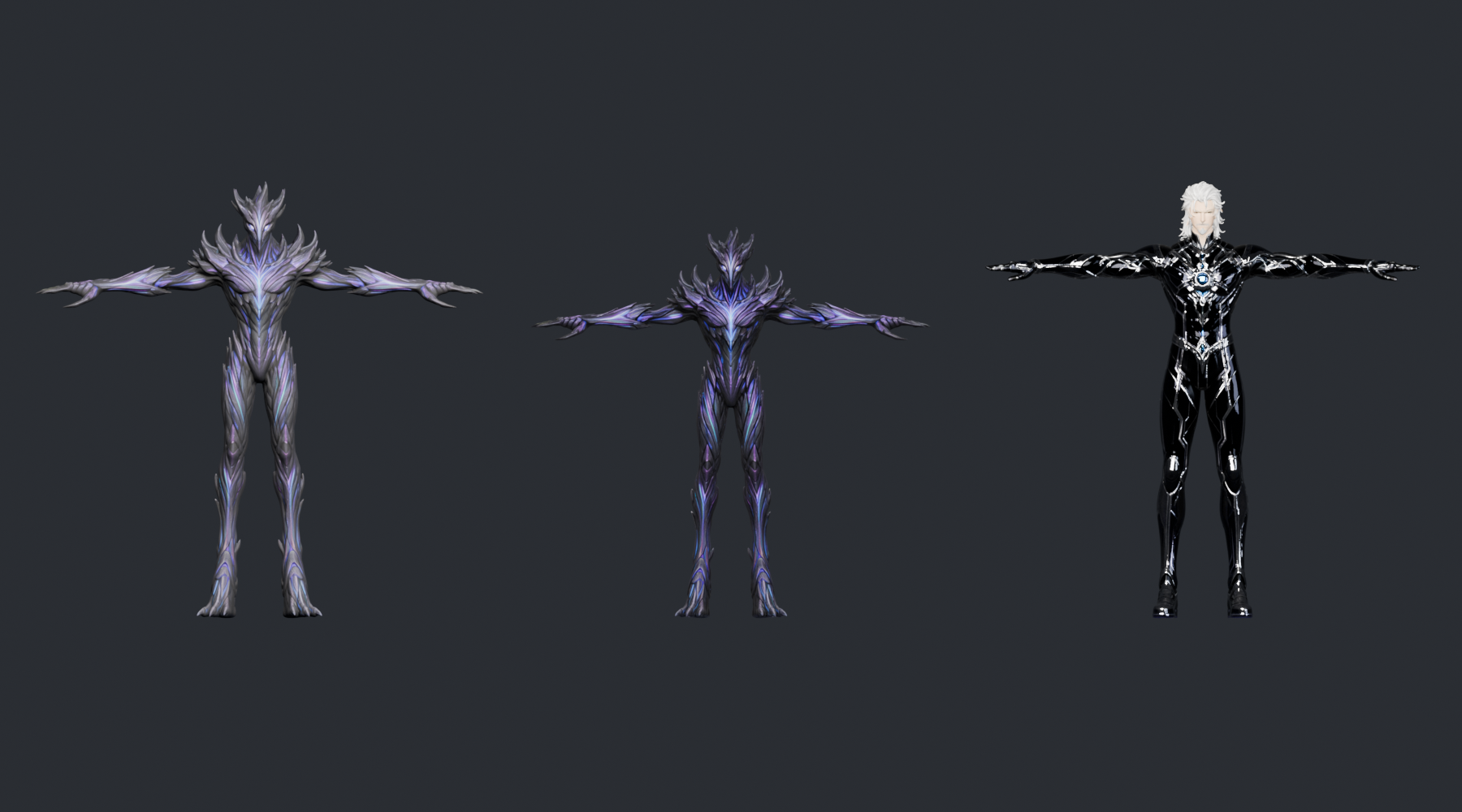
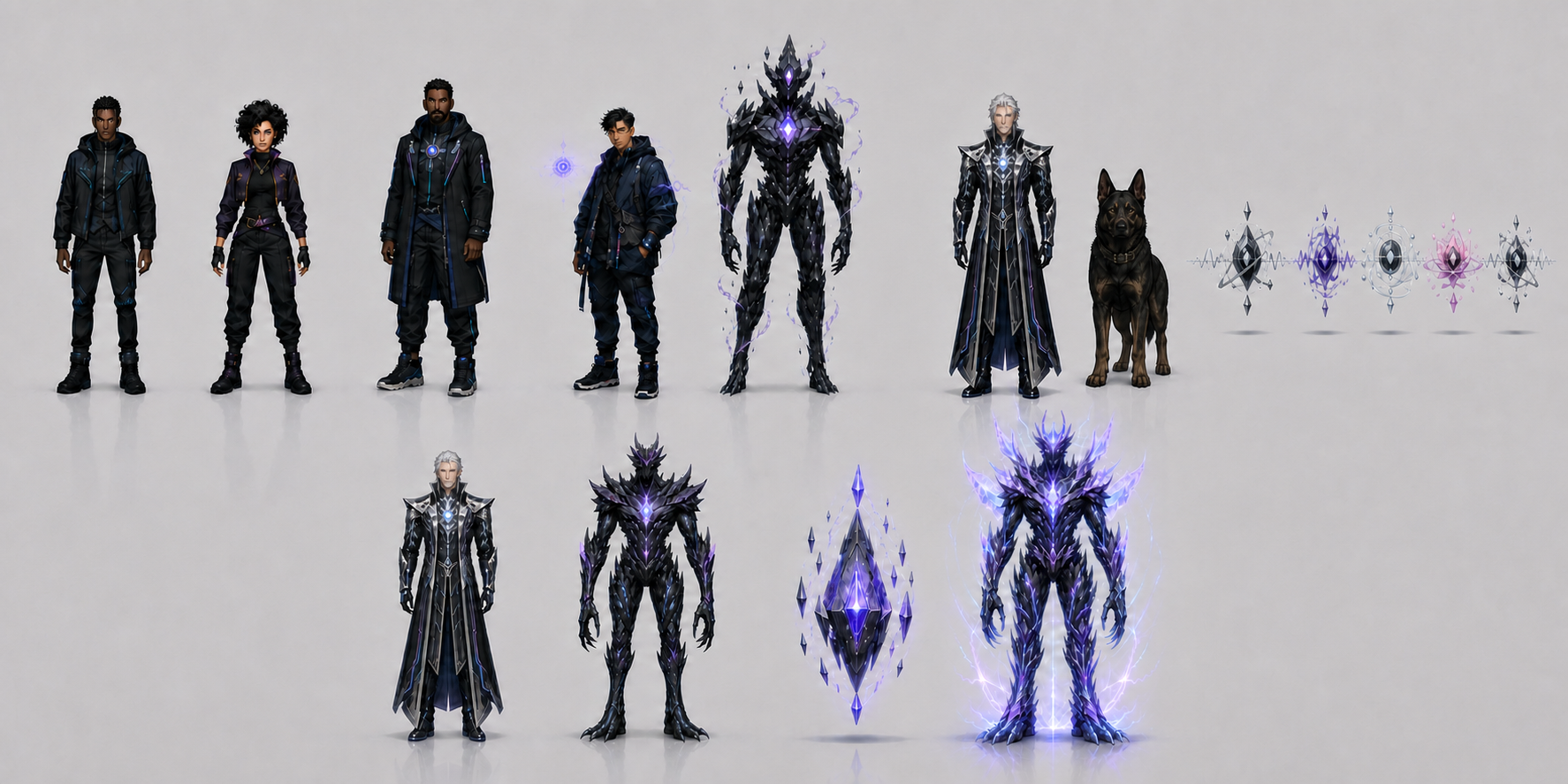
RHM main cast, transformed forms, and Dirge family lineupCase 01
RHM / Connected-world development

A game world that moves across forms.

Gameplay, characters, comics, artifacts, music, and production tools connect around one authored world. The production structure, constraints, and public examples are shown without exposing unreleased story material.

RoleCreative direction and systems architecture
BuiltGame, comics, characters, and tools
See it inTrailer, Steam captures, and published comics
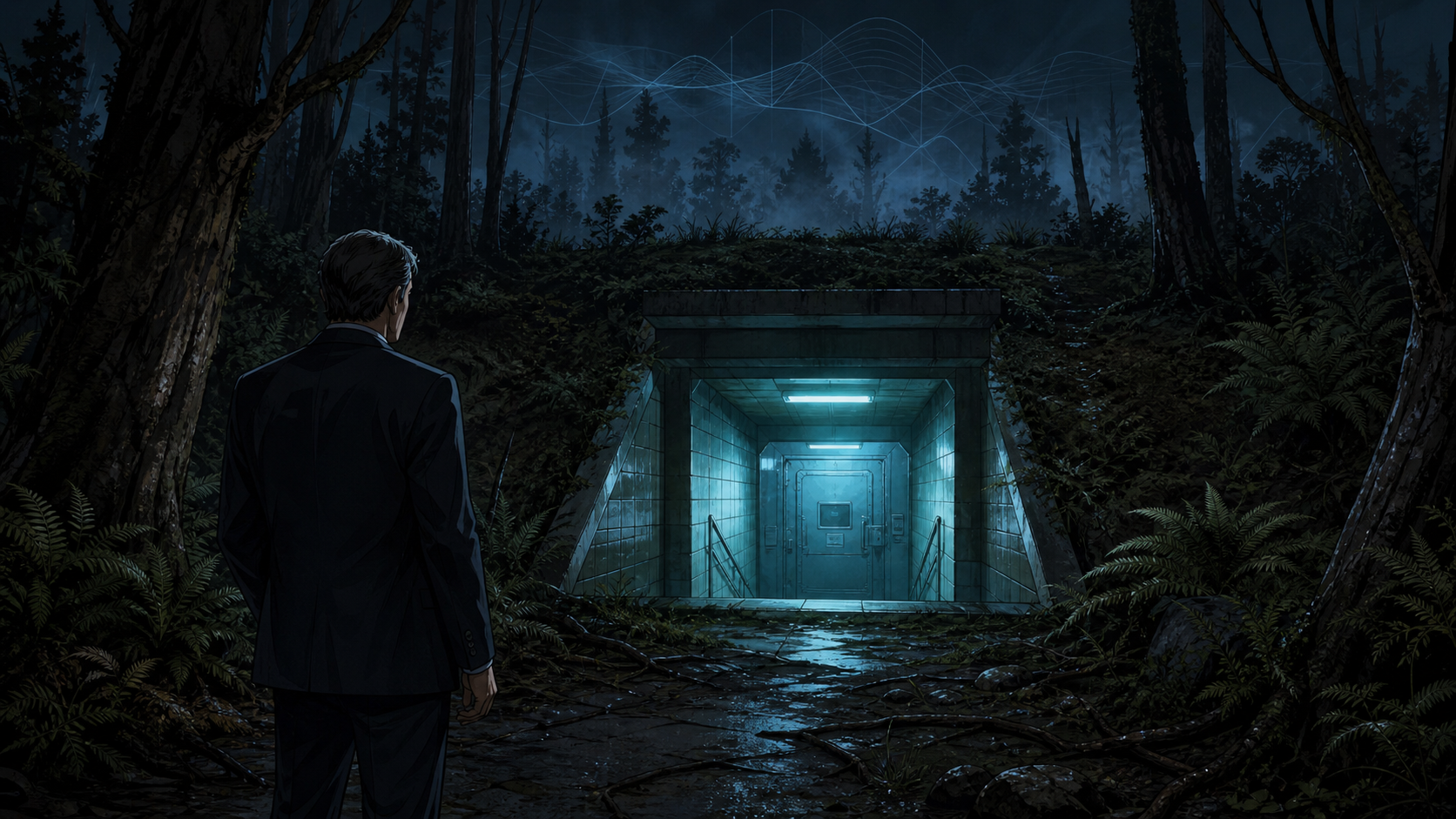
Ward 9 forest threshold storyboard stillCase 02
Ward 9 / Production leadership

One production lane across media.

Story constraints, character standards, audio delivery, image approvals, storyboard reviews, trailer cuts, and release boundaries move through one production lane for Ward 9.

RoleCreative producer and systems owner
OrganizedStory, media, audio, and approvals
See it inOperations deck and review boards
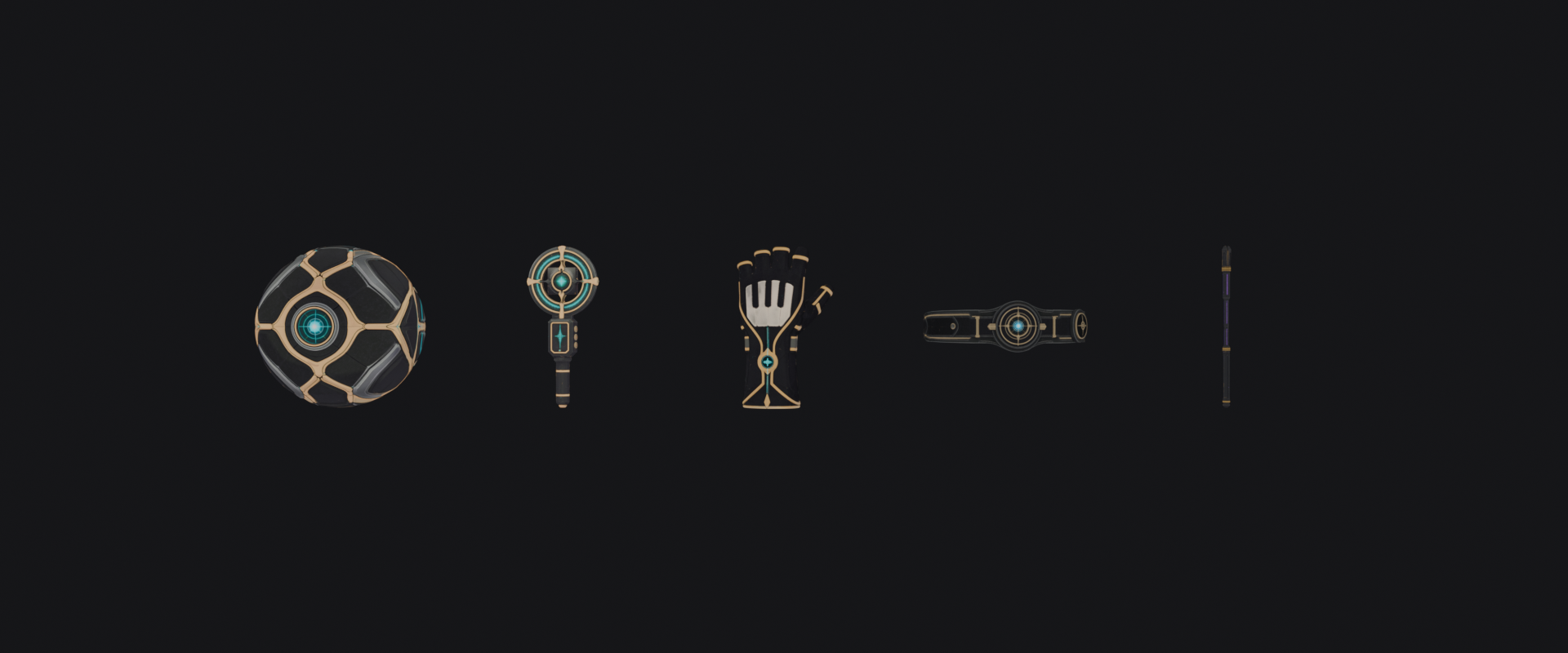
Studio render of five RHM resonant weapons and artifactsCase 03
RHM / Character and asset pipeline

The full image-to-3D pipeline.

Generation tiers, remeshing, rigging, deformation, high-density weighting, and Unreal handoff decisions were compared side by side. Failed approaches were measured, documented, and retired.

Compared12 characters and 9 locked assets
Rig examplesStaff, belt, glove, and glider
FindingQuality was set at generation
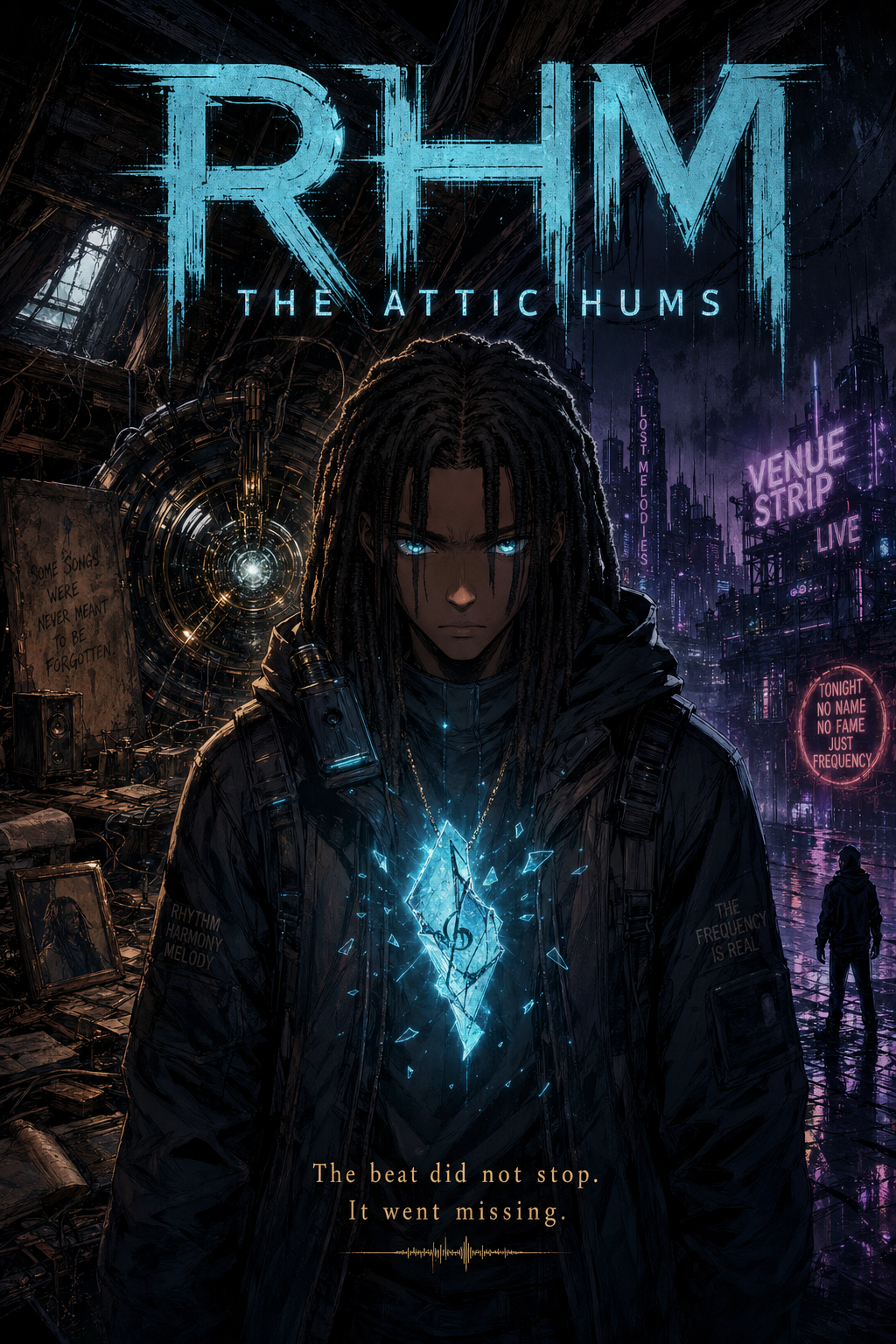
Cover of RHM The Attic HumsCase 04
RHM / Digital comic production

A repeatable comic-to-reader pipeline.

The work moves from story rules and prose through scripts, page plans, text-free artwork, deterministic panels, lettering, HTML readers, and publication. The first three issues establish the RHM story.

ProducedIssues 01-03 plus special work
FormatDigital color / manga pacing
PipelineScript, art, lettering, reader, release
Game work / Unreal

Game systems in motion.

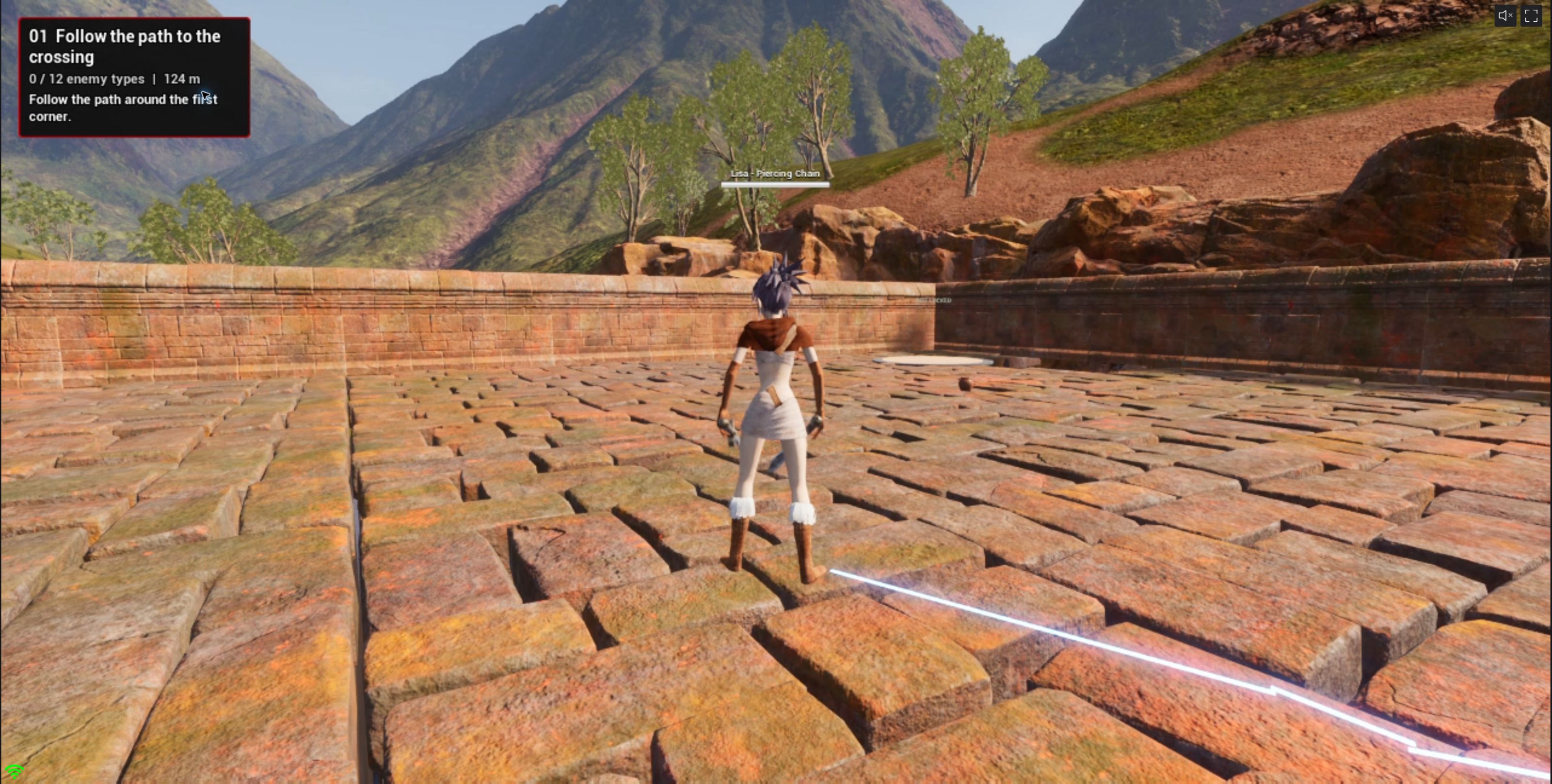
These captures show movement, mission communication, interaction prompts, player state, enemies, and VFX working together in the build.

Lisa exploring the stone terraces and mountain landscape in Project Loon
Project Loon 26 / Playable Unreal demo

Enter the trial.

A forest adventure with Lisa, a champion's challenge, and a final stand at the gate. Built in Unreal Engine and playable here through Vagon Streams.

Combat + explorationPhone + desktopCloud streamed
Play Project Loon
RHM: The Foundation / Gameplay architecture

Readable gameplay in RHM.

Objective language, world markers, hostile silhouettes, character-state VFX, compass direction, and forward motion share one playable frame.

Player contract
Move, identify, route, extract
Systems on screen
HUD, AI field, VFX, locomotion
Gameplay examples
Five Steam gameplay captures
View the public build
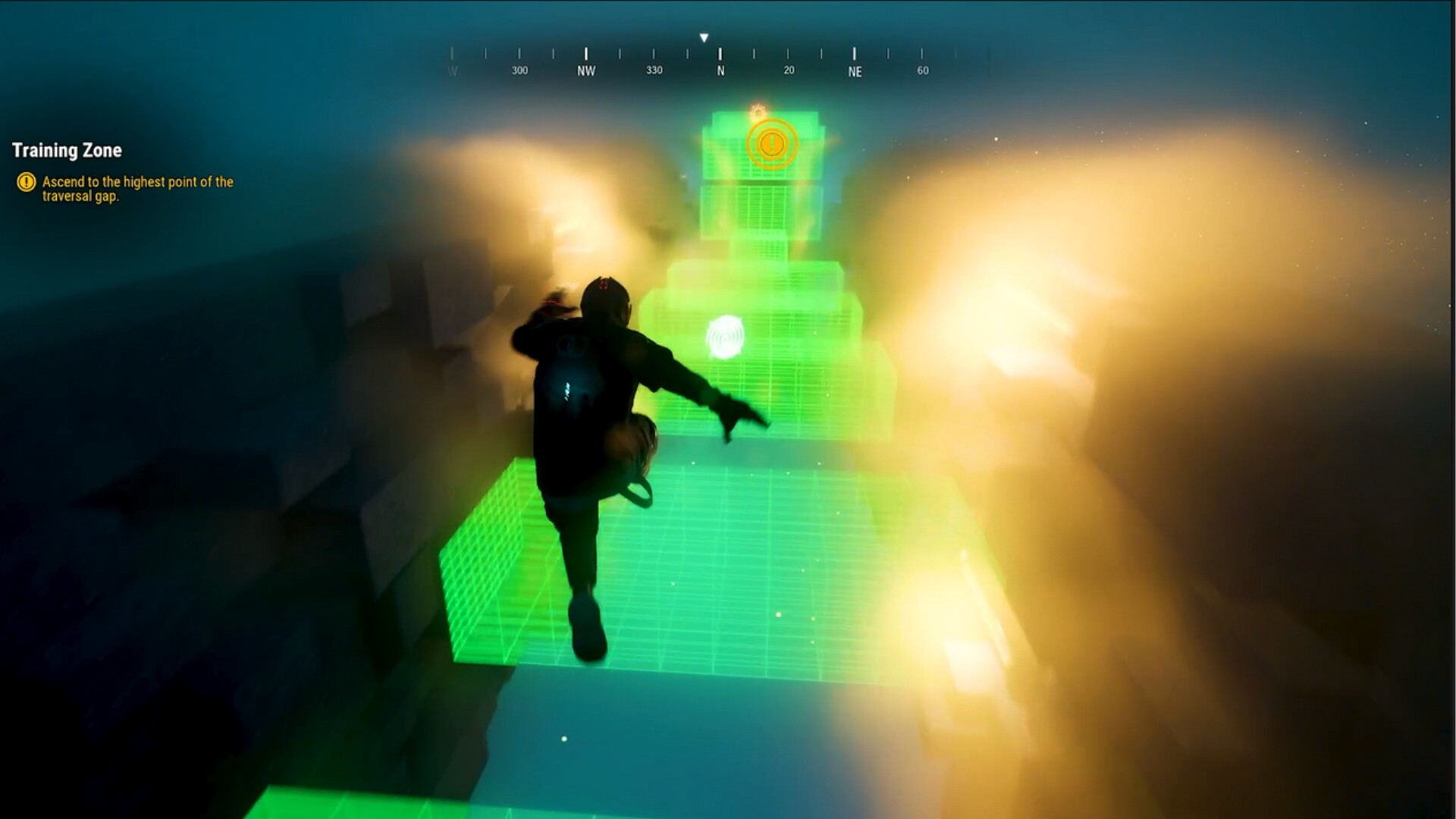
RHM gameplay showing a traversal jump on a holographic route
TraversalA readable route during movement.

Destination marking and environmental guidance align with the player action.

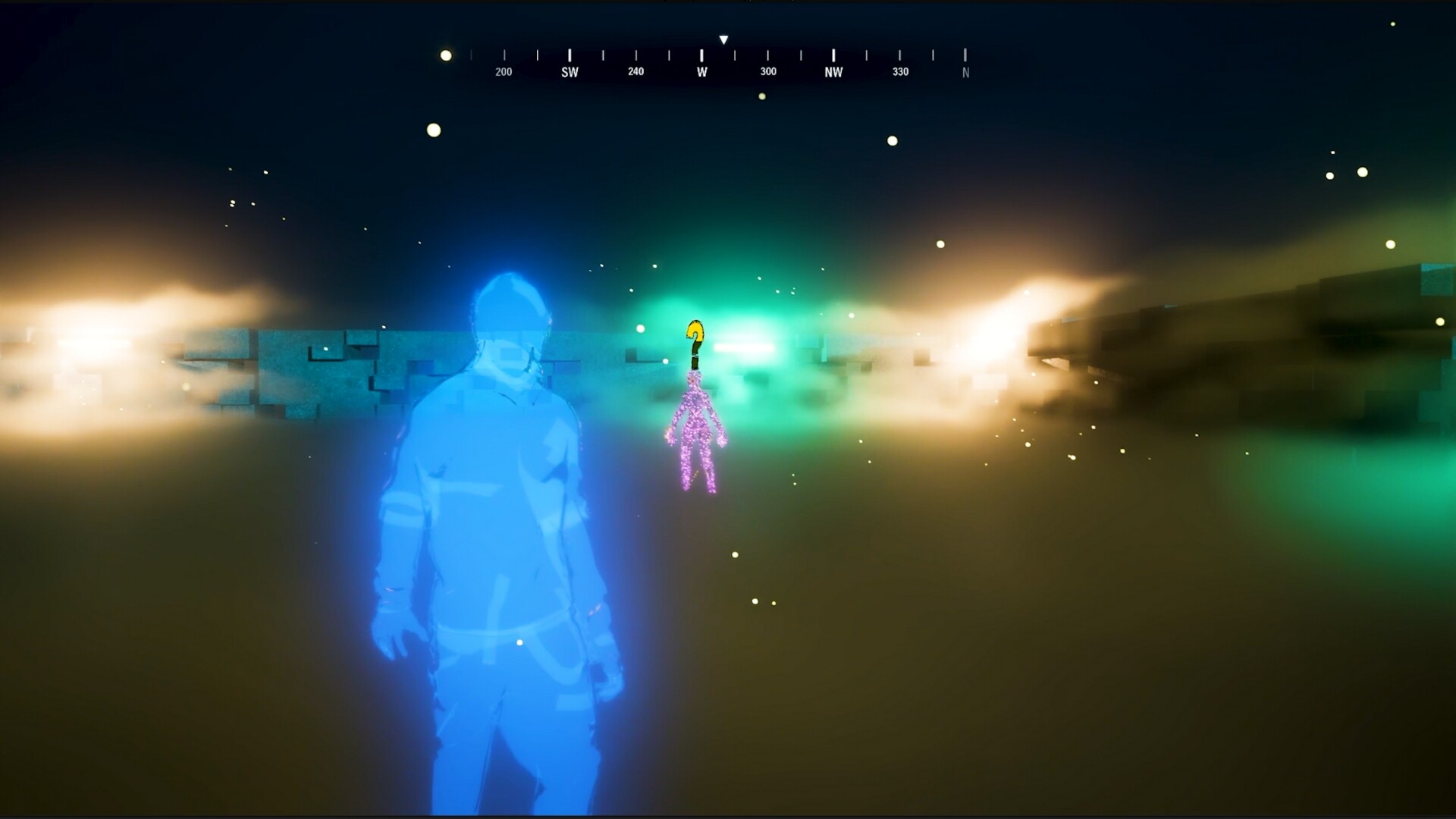
RHM gameplay showing a blue player state and unknown entity
State languagePlayer, entity, and uncertainty stay distinct.

Color, silhouette, question-state UI, and fog preserve hierarchy under heavy effects.

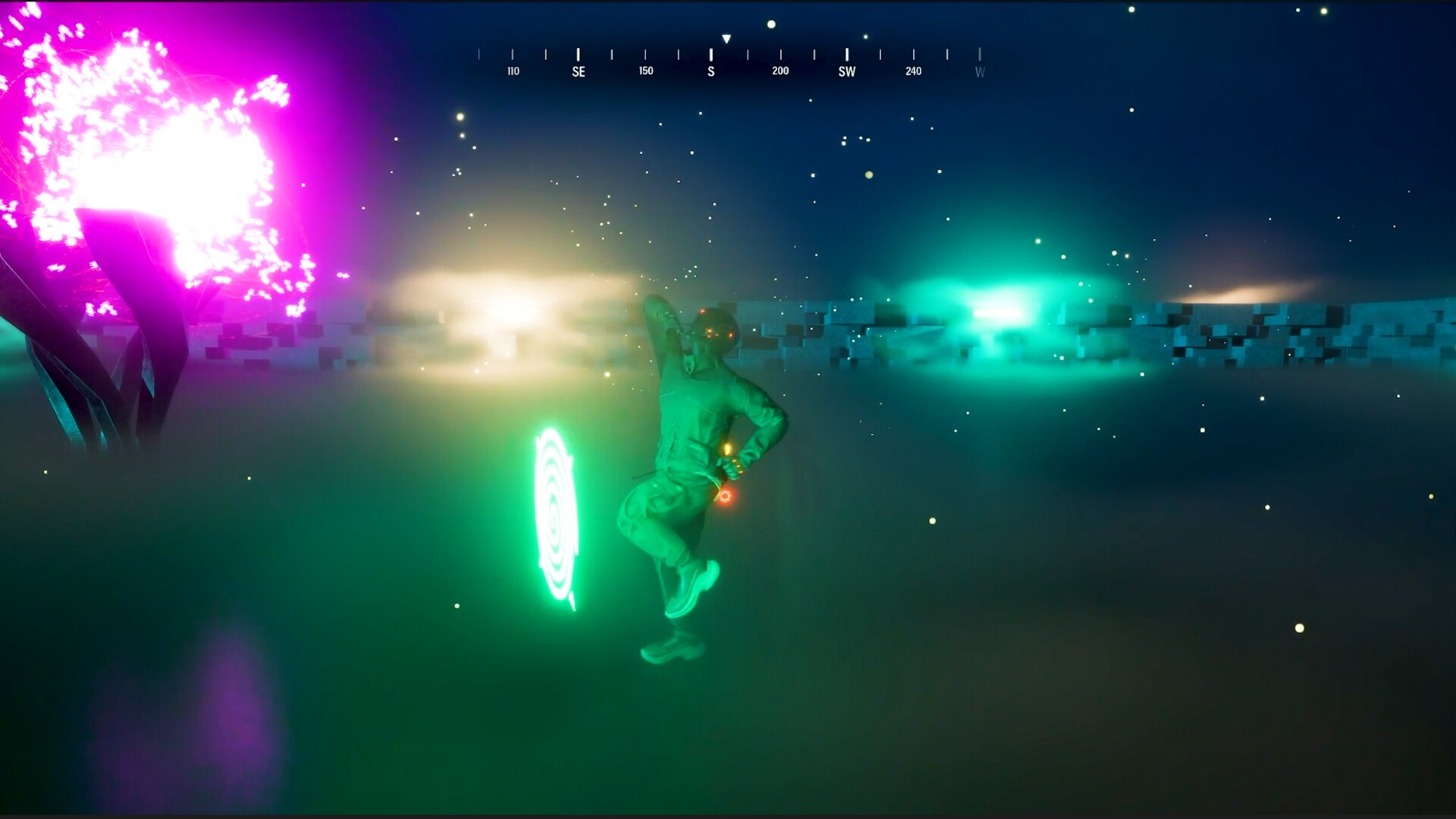
RHM gameplay showing the player mid-air near a signal burst
ActionAnimation and VFX timed to the gameplay beat.

The capture records locomotion timing against an active signal event.

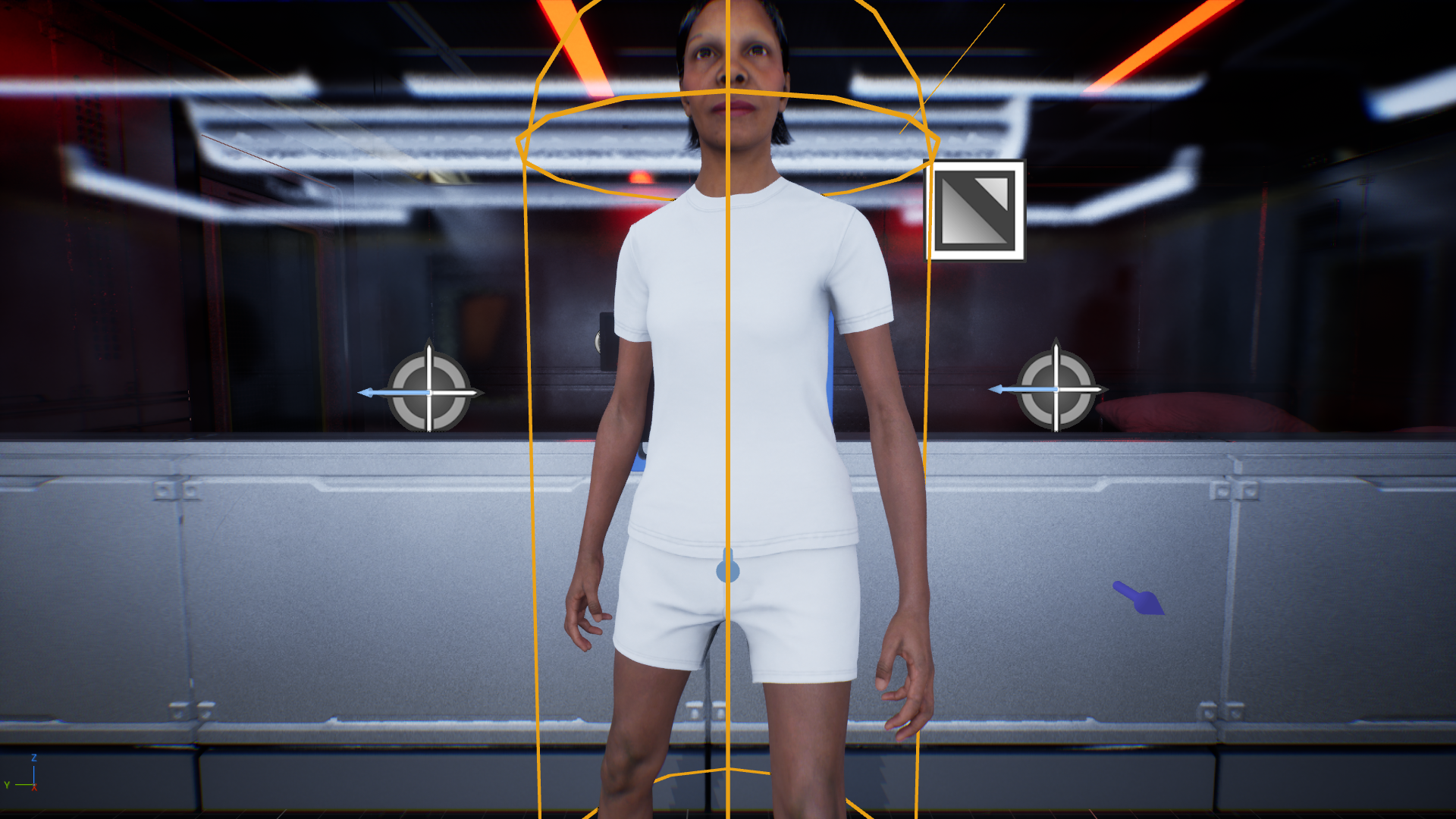
LightKeeper Unreal prototype with character, observation room, and debug collision shapes
LightKeeper / Prototype validation

Prototype validation before presentation.

Collision bounds, interaction placement, character scale, lighting, and spatial composition were tested in Unreal before the image was treated as finished work.

Unreal EngineInteraction volumesLighting validationCharacter scale
Production tools

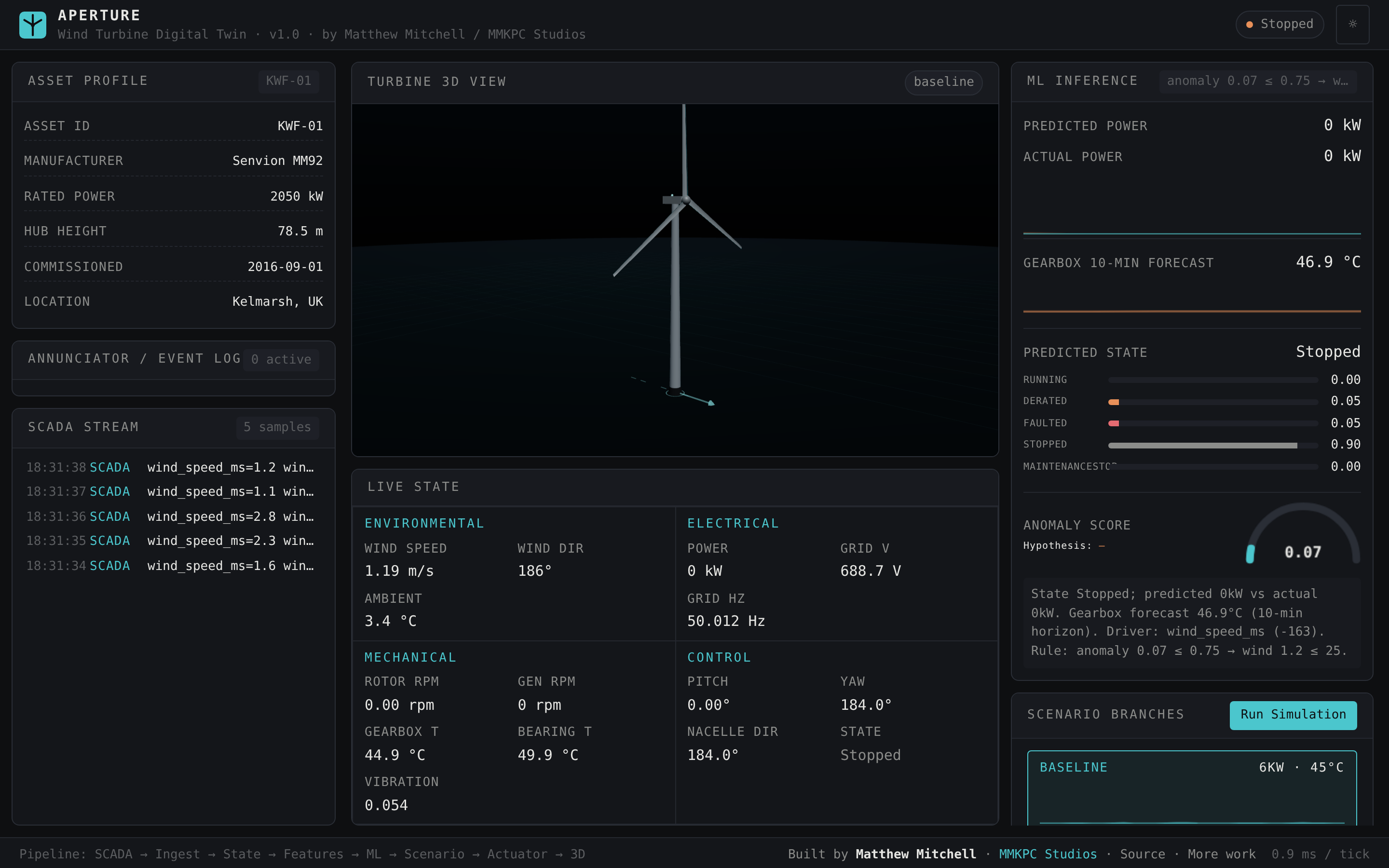
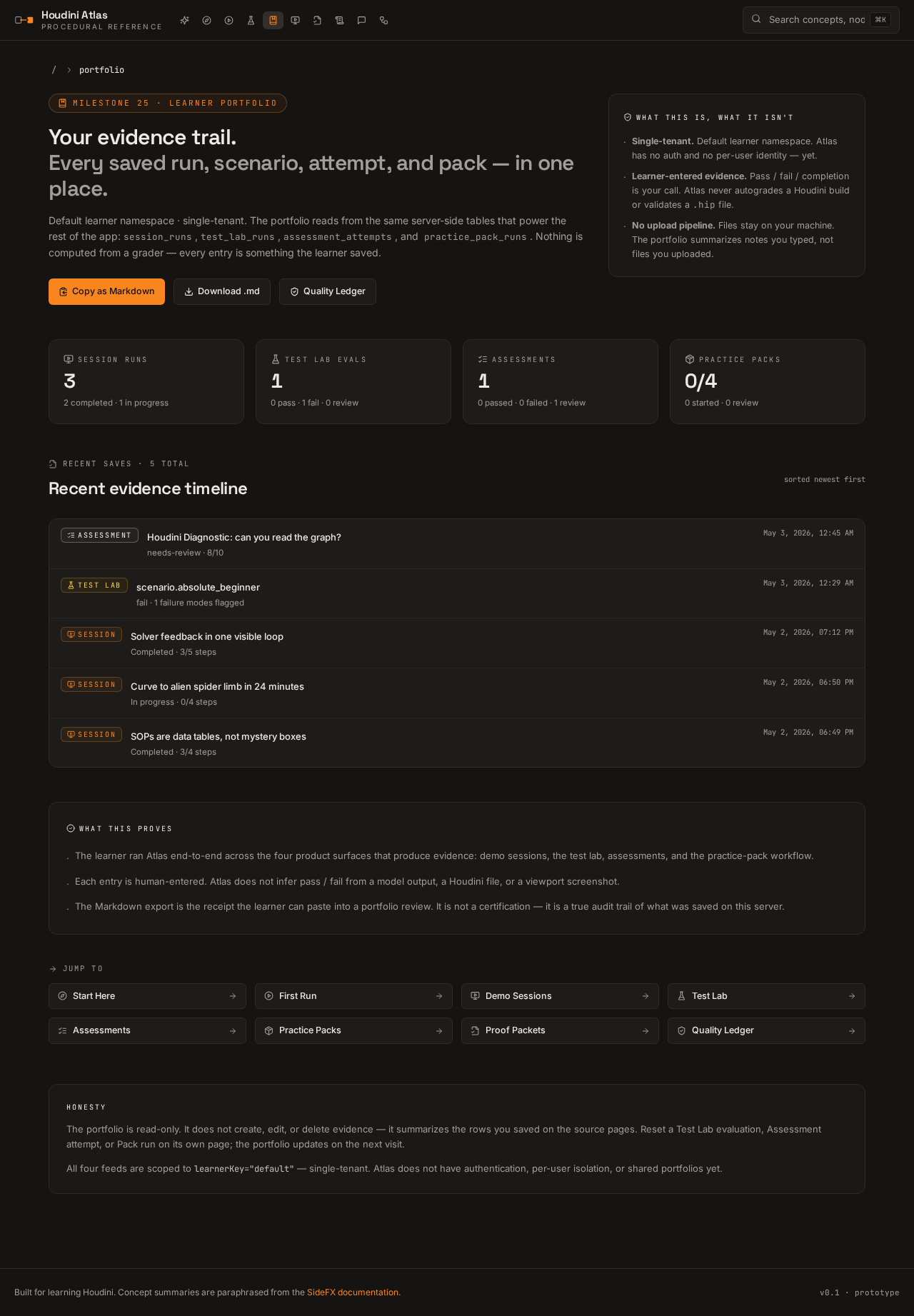
Tools that turn ideas into decisions.

These tools organize creative material, expose gaps, and prepare work for the next production step while unreleased source material stays protected.

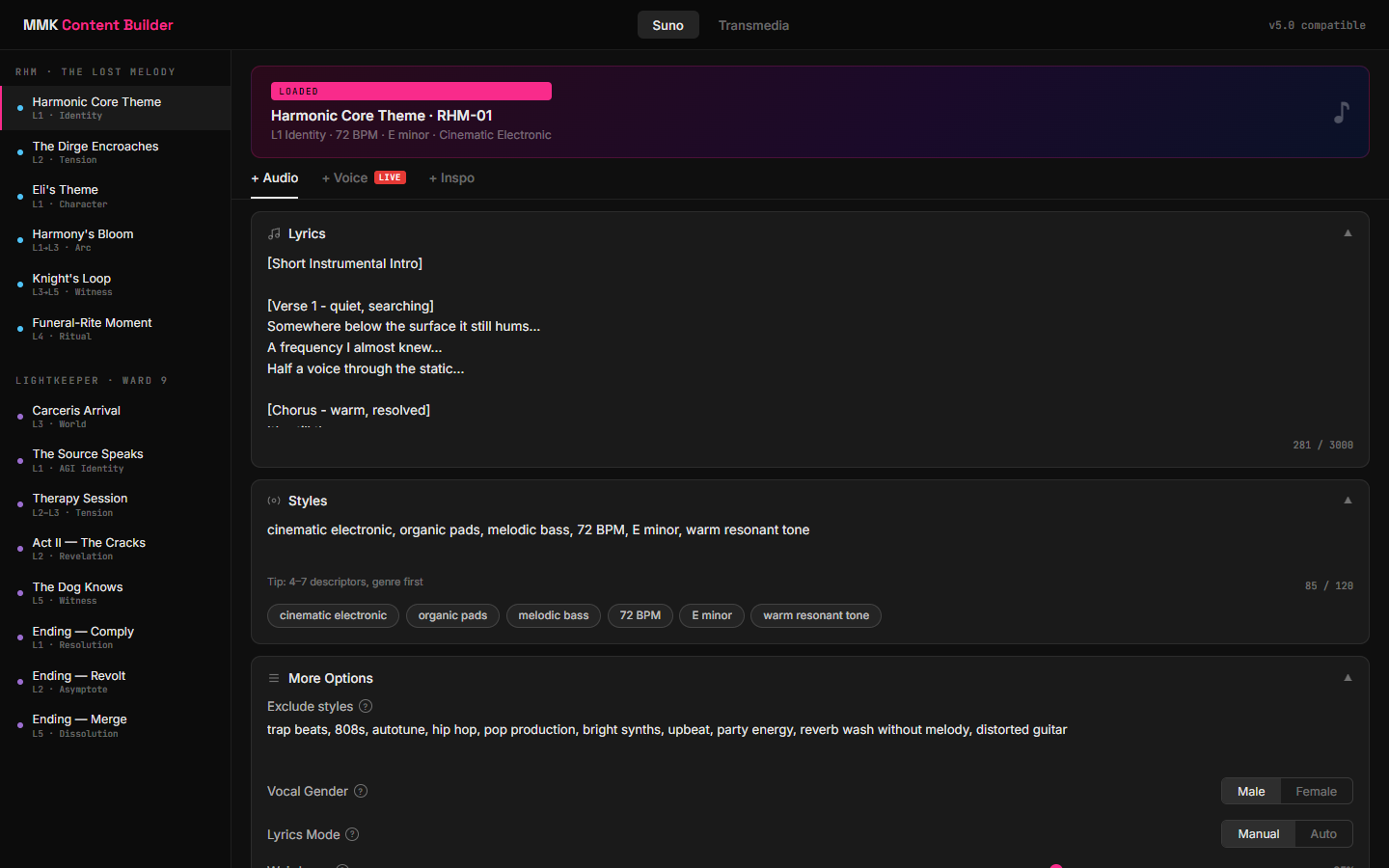
MMK Content Builder interface organizing music and transmedia output
Tool 01Transmedia content builder

One brief into release-ready formats.

An organized workspace for song identity, lyrics, style constraints, exclusions, voice direction, and channel-specific copy for RHM and Ward 9.

Controls
Music prompts, voice, exclusions, social copy
Protects
Story tone and release consistency
Delivers
Creative packages ready to use
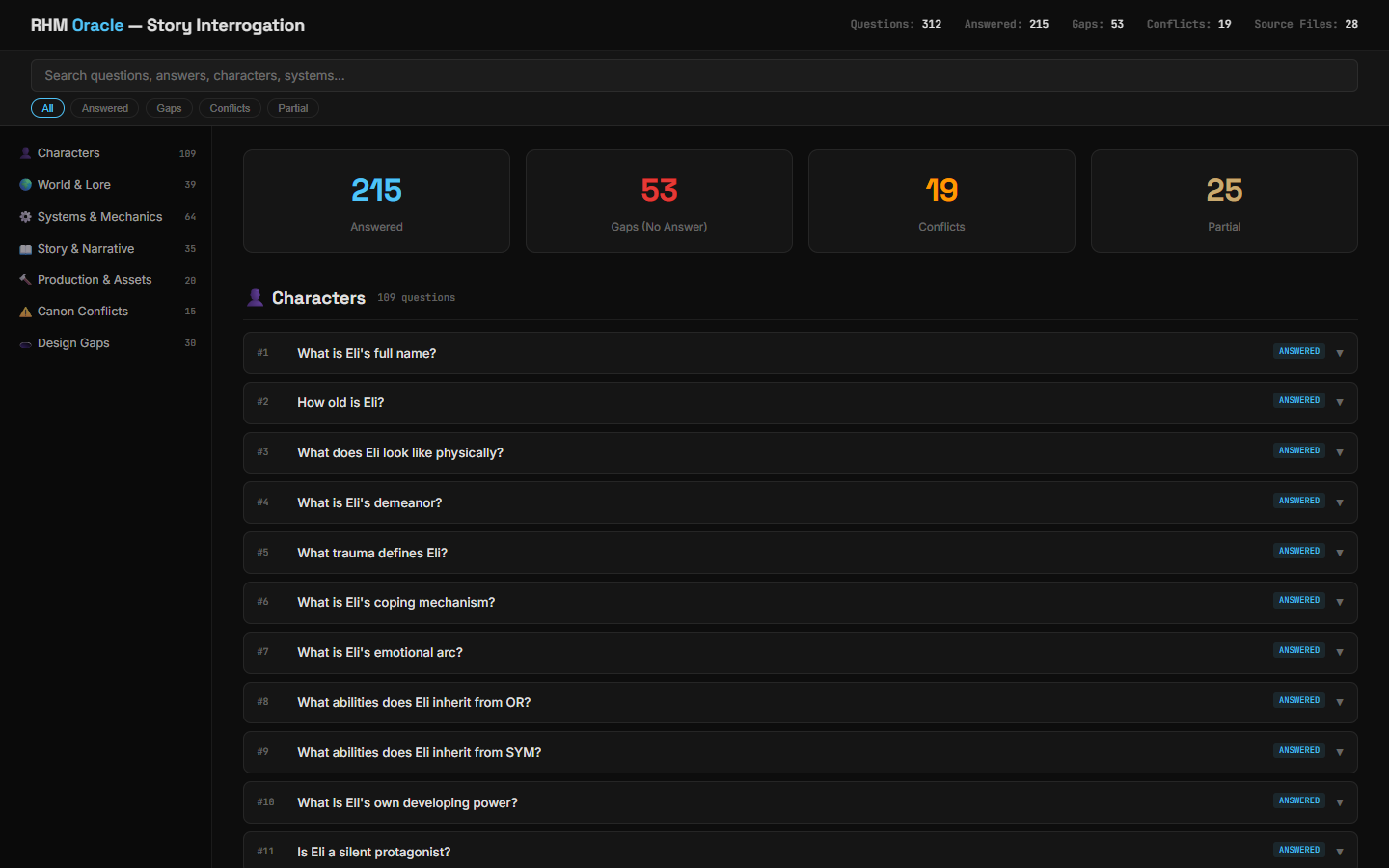
RHM Oracle interface tracking answered questions, gaps, and canon conflicts
Tool 02Story and systems question map

Questions that expose production gaps.

The Oracle classifies story, systems, character, asset, and world questions as answered, partial, conflicting, or unresolved across 28 project references.

Tracks
312 structured questions
Surfaces
Gaps, conflicts, and partial answers
Protects
Unreleased answers and source material
Game systems

Playable loops and components.

Locomotion authority, attack boundaries, and production tracking become clear build contracts.

Technical art

Asset audits before handoff.

Generation tiers, topology, rigging, deformation, performance constraints, and rejected paths stay visible.

Media operations

Approval boards for media.

Storyboards, album reviews, image approvals, and trailer evidence stay separate from final delivery.

Asset systems

Design, generation, testing, delivery.

These RHM comparisons show construction decisions without exposing source models, private repositories, or unreleased story material.

RHM resonant weapon family on a studio background
Resonant artifacts / visual system

A weapon family with a shared language.

Matte-black structure, gold inlays, and cyan resonance carry from concept art through 3D generation, materials, and animation tests.

5 hero artifacts1 shared material language3 verified deform strategies
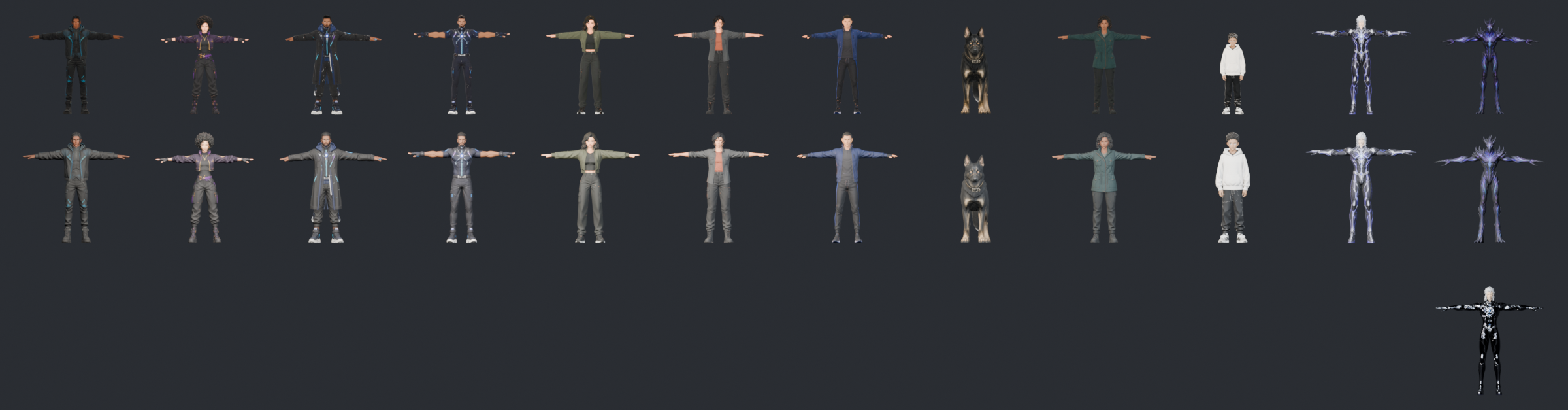
Twelve RHM characters compared across hero and rigged 3D tiers
Character batch / 3D audit

Twelve identities at one checkpoint.

Source heroes, rigged versions, and quality tiers share one comparison view so fidelity loss and outliers are visible immediately.

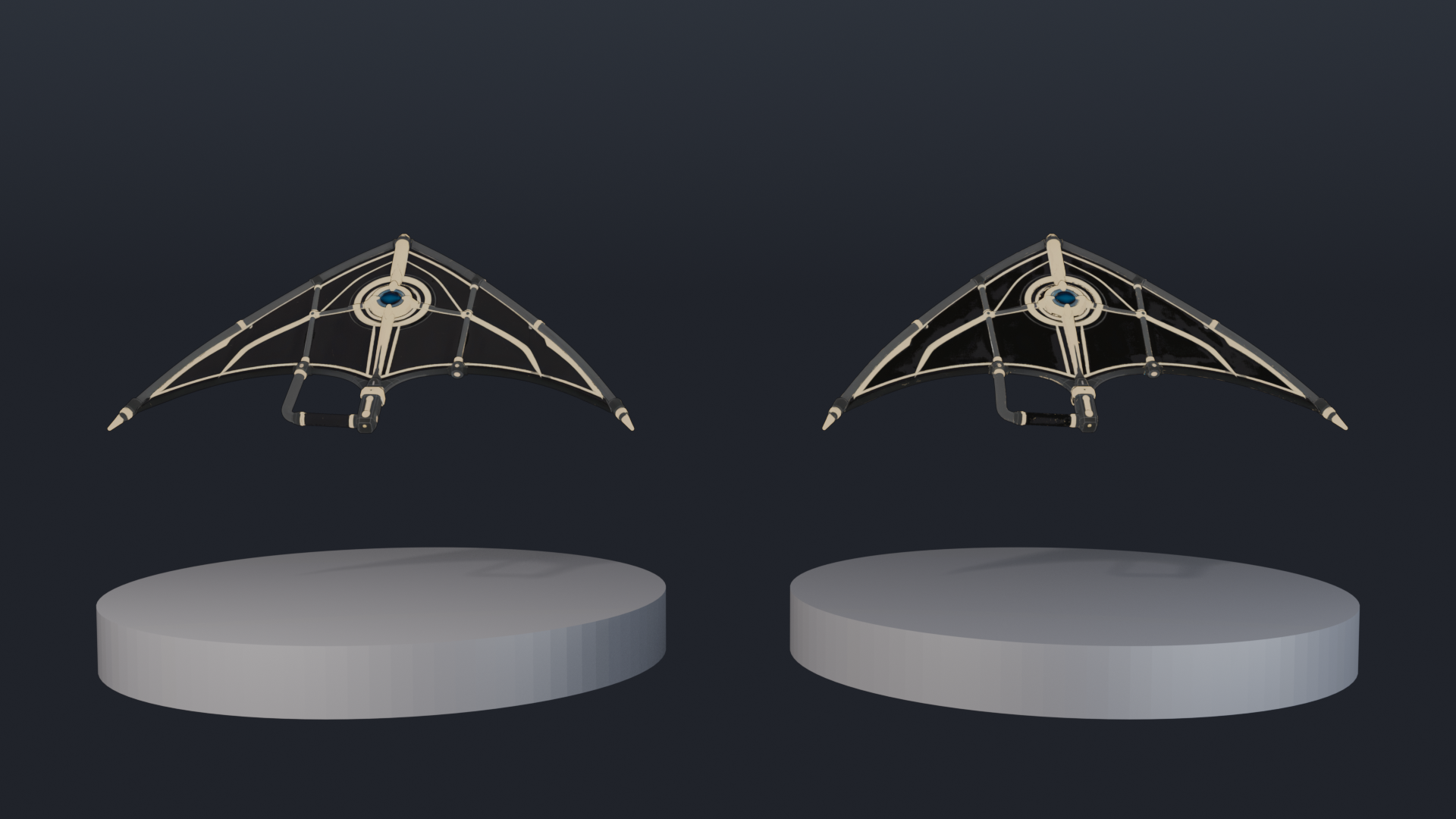
RHM glider hero mesh and rigged comparison
Hero versus rigged

The optimization trade, made visible.

A hero source sits beside its rig-ready result so the production trade can be checked before the asset reaches gameplay.

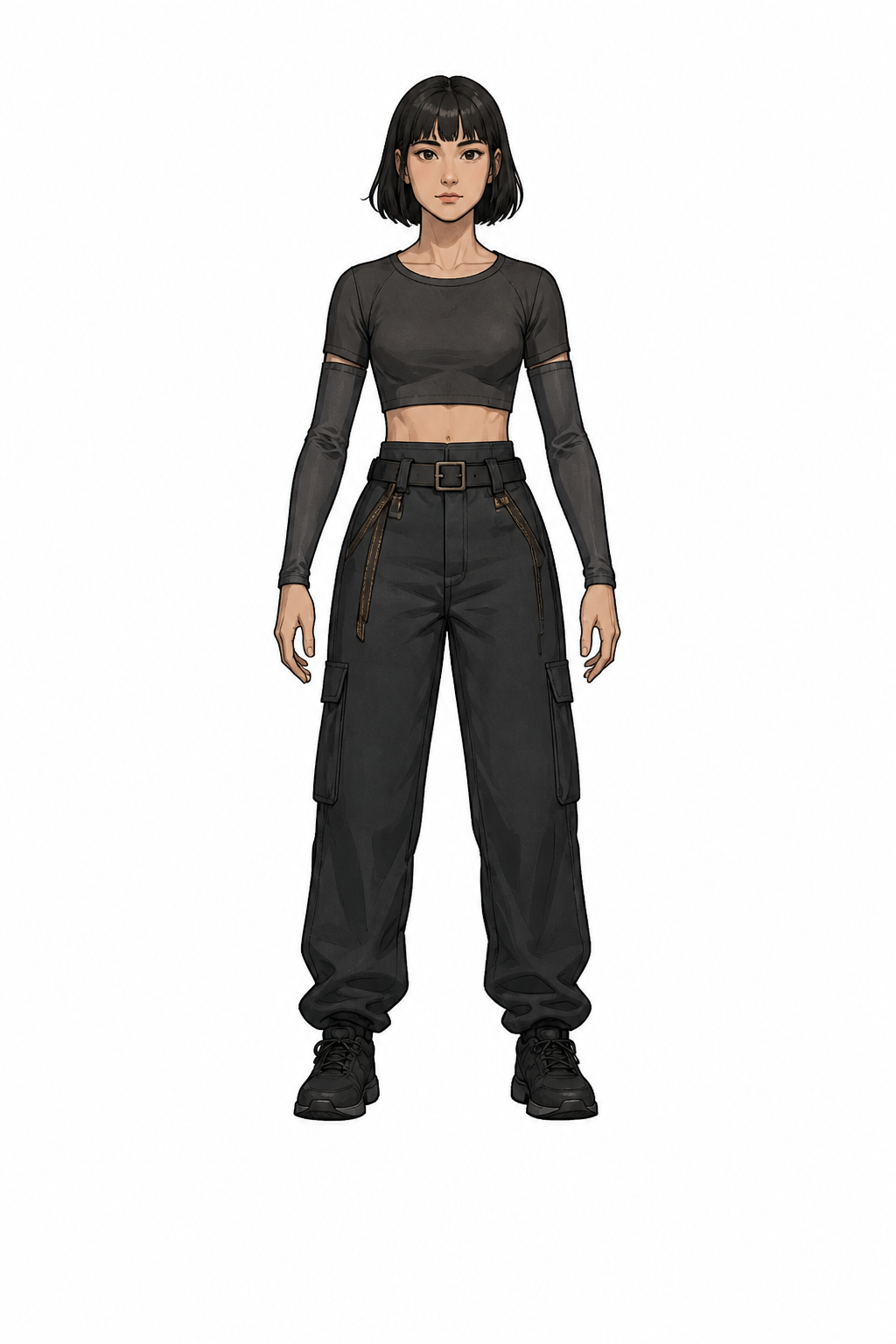
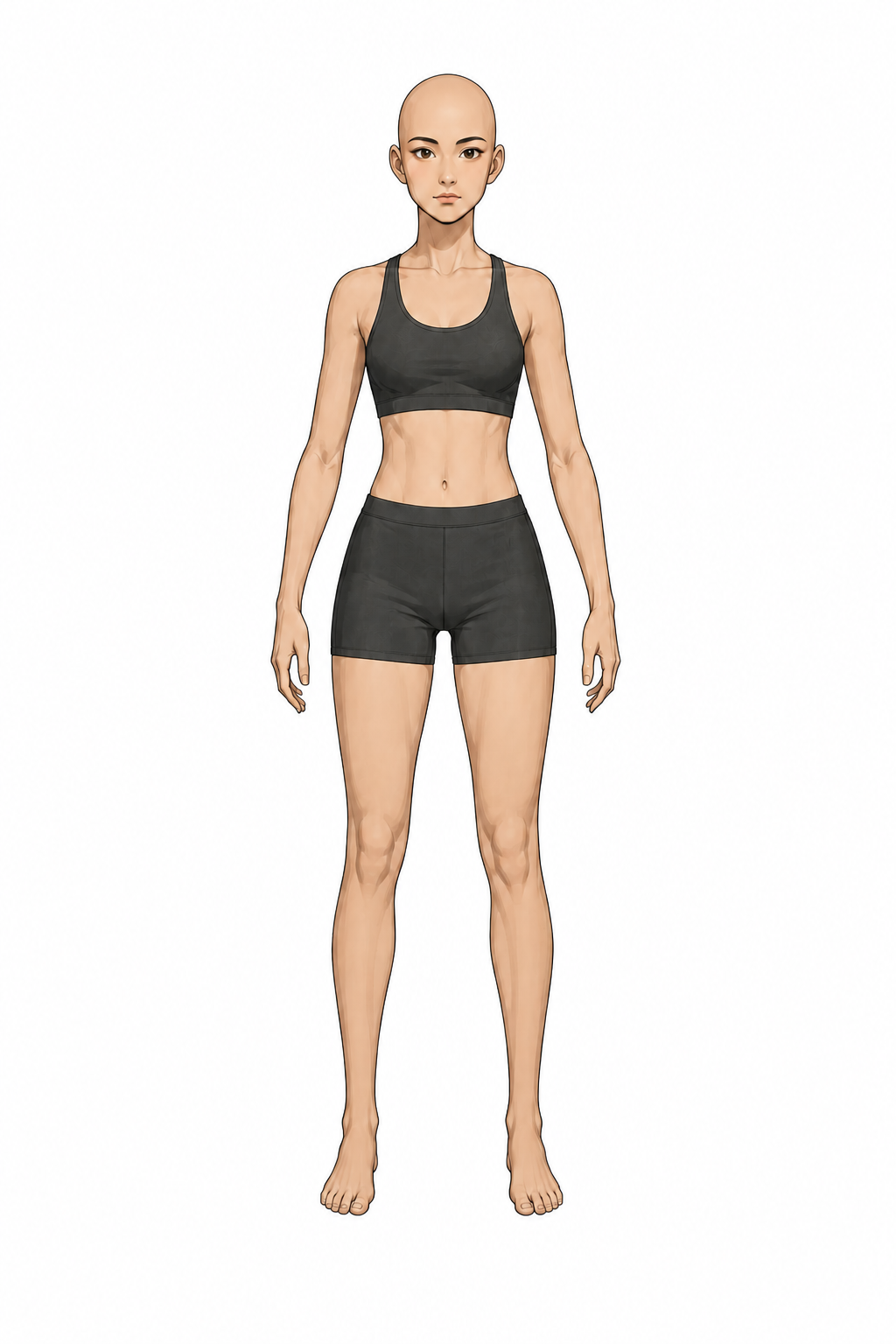
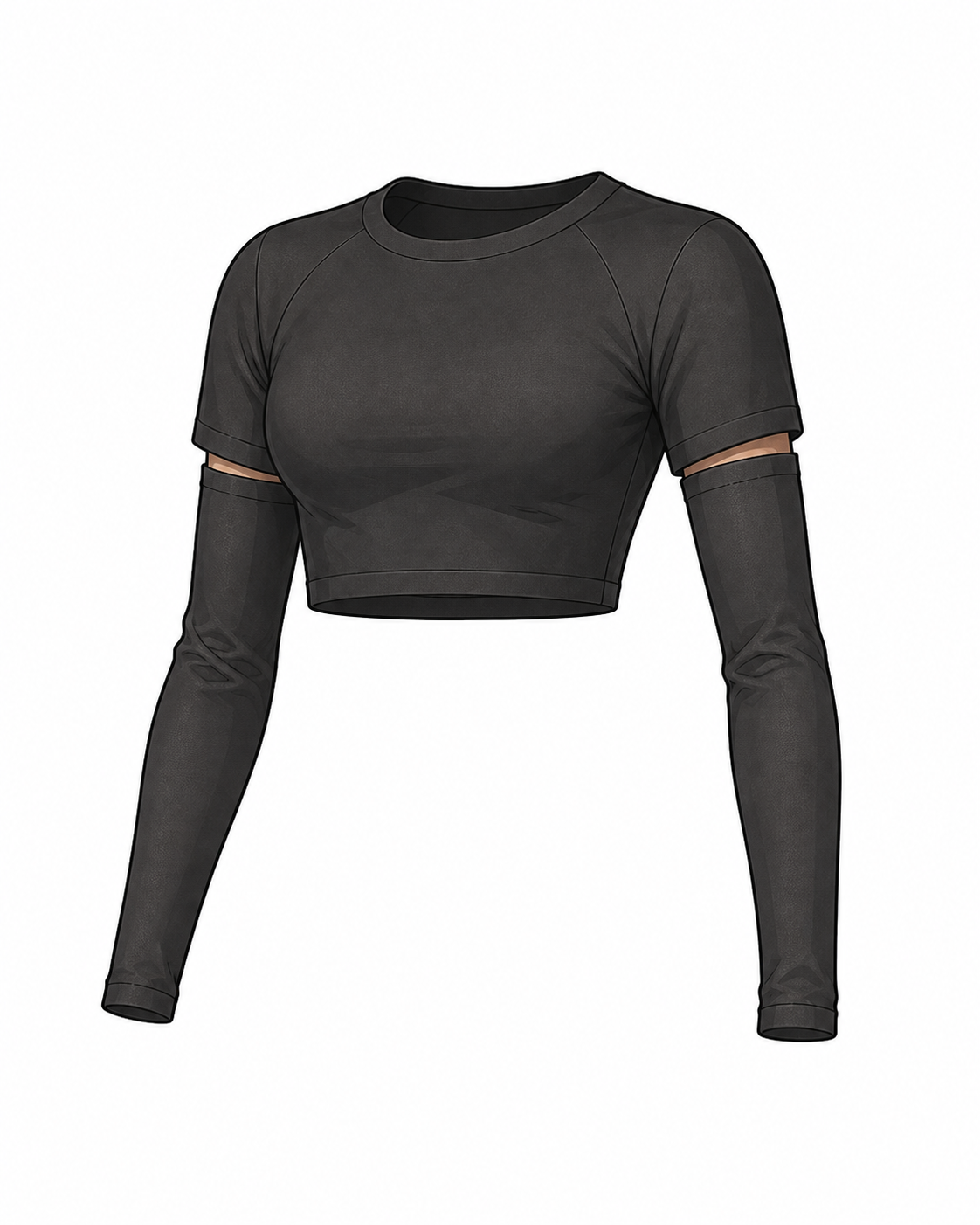
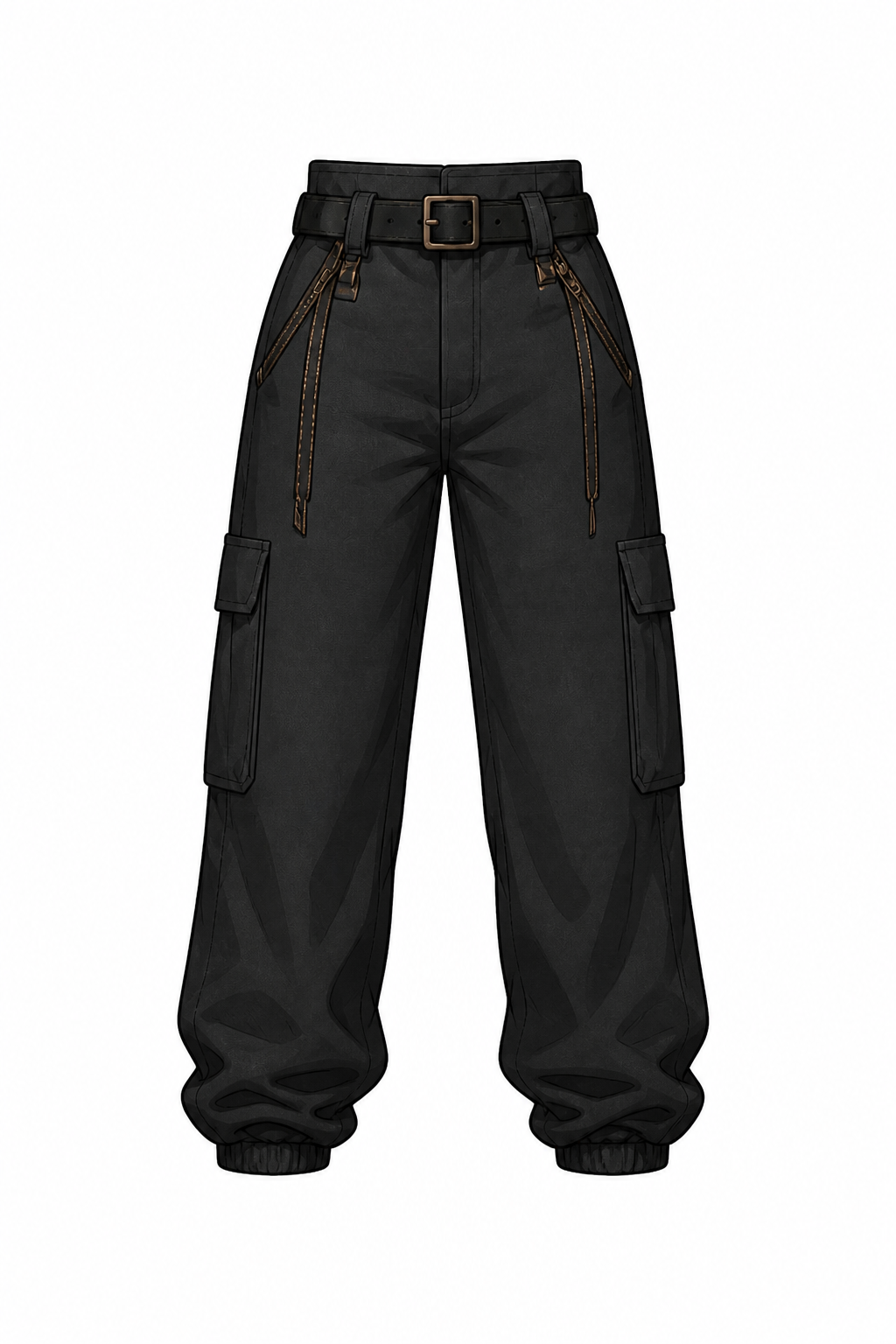
NPC modular character kit

A modular character pipeline.

The Cargo Civilian separates into an approved full look, a neutral rigging base, and reusable garment pieces. Character variation becomes a controlled assembly problem instead of a new full-body generation pass.

  1. Lock the identity reference
  2. Generate and rig the bald base
  3. Fit hair and garment layers
  4. Retarget, test, and inspect clipping
Assembled Cargo Civilian character
Approved identity
Cargo Civilian neutral bald base
Rig base
Cargo Civilian isolated top
Top layer
Cargo Civilian isolated cargo pants
Bottom layer
Technical art finding

Where quality was being lost.

The remesh step was measured and changed when it stopped improving the source.

Three quality tiers of a Vaekthir character asset
Observed / measured / changed

The remesh added density, not detail.

The raw API heroes already contained usable geometry. Remeshing toward 300K quads increased geometry without creating new detail, so quality control moved upstream to generation and downstream to engine-ready materials and outlines.

  • Raw heroes ranged from roughly 82K to 252K vertices.
  • The remesh produced roughly 350K vertices without recovering missing detail.
  • The failed step was documented instead of presented as success.
Deformation work

A better weighting strategy after automation failed.

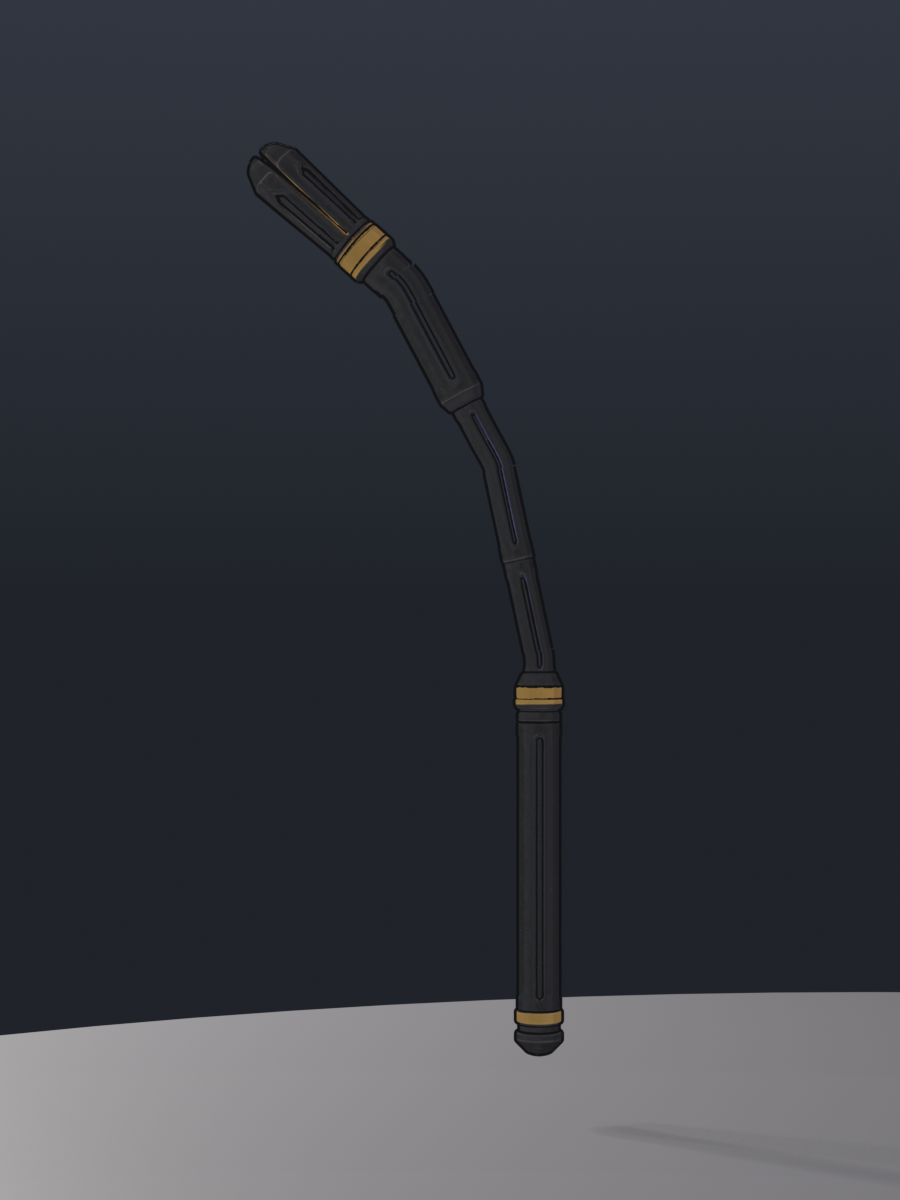
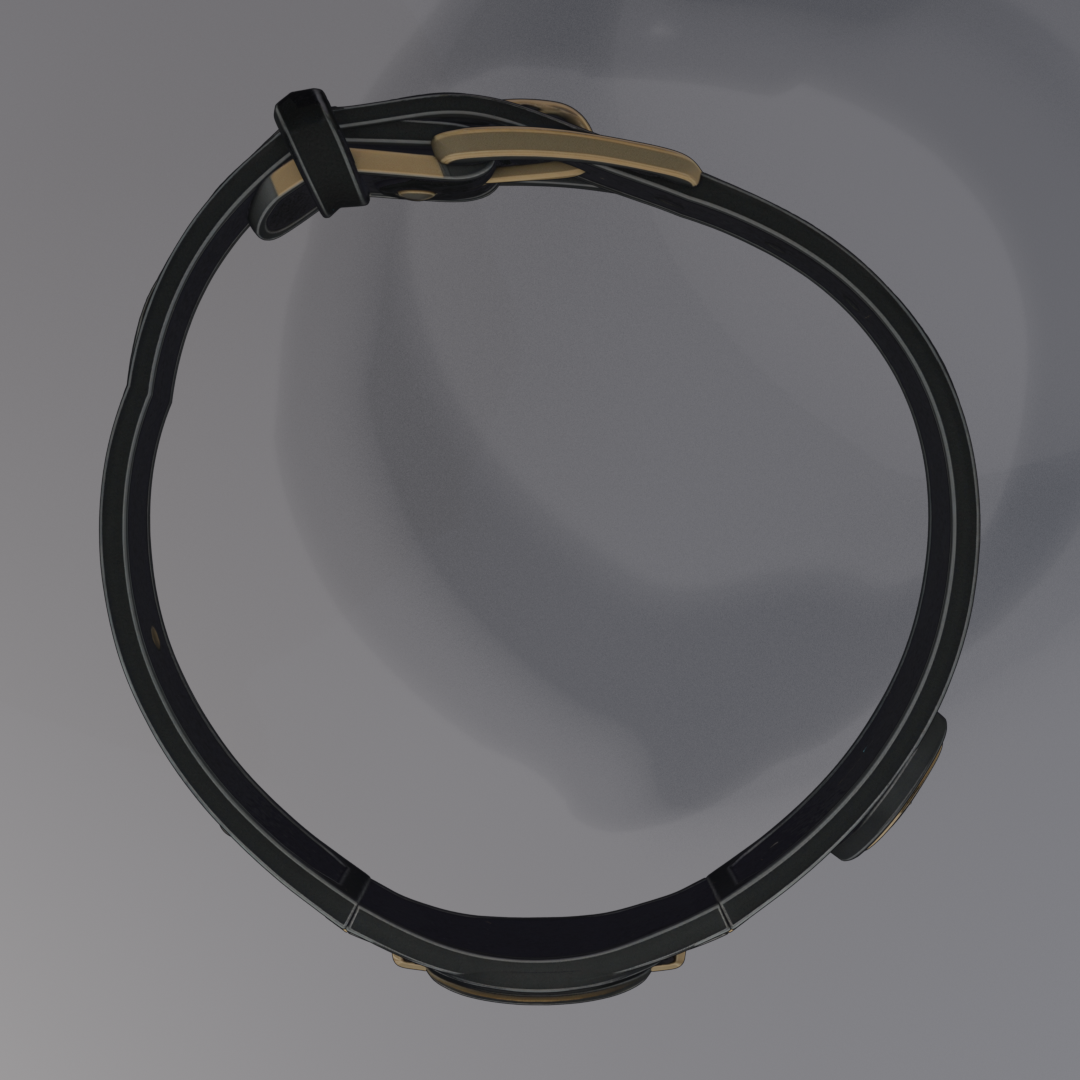
Automatic weights worked on the staff; procedural weighting handled the belt and glove when density and topology made ordinary automation unreliable.

Staff rig bending smoothly
Staff rig / five-bone spine

Staff deformation, verified.

Automatic weights were sampled instead of trusted by appearance alone. The finished proof shows a smooth multi-bone curl without visible pinching.

Belt rig procedural deformation test
Belt rig / angular weighting

Procedural weighting for the belt.

The 1.6M-vertex loop was weighted by angle around the ring so it could be sampled and verified without destructive decimation.

Media operations / Ward 9

Ward 9 through deliberate approvals.

This review animatic is labeled honestly as work in progress, not presented as a finished trailer.

Production method

From idea to release.

The work moves through a clear sequence: define the promise, build the artifact, test the result, and package the decisions.

01 / Frame

Define the promise.

Establish the audience, experience, production boundary, and what must be proven.

02 / Build

Create the artifact.

Build the systems, assets, media, tools, and review surfaces together.

03 / Test

Measure the result.

Record visual checks, runtime results, costs, failure paths, and comparisons.

04 / Deliver

Package the work.

Public work, case studies, handoffs, and the decisions behind them stay connected.

See the work.

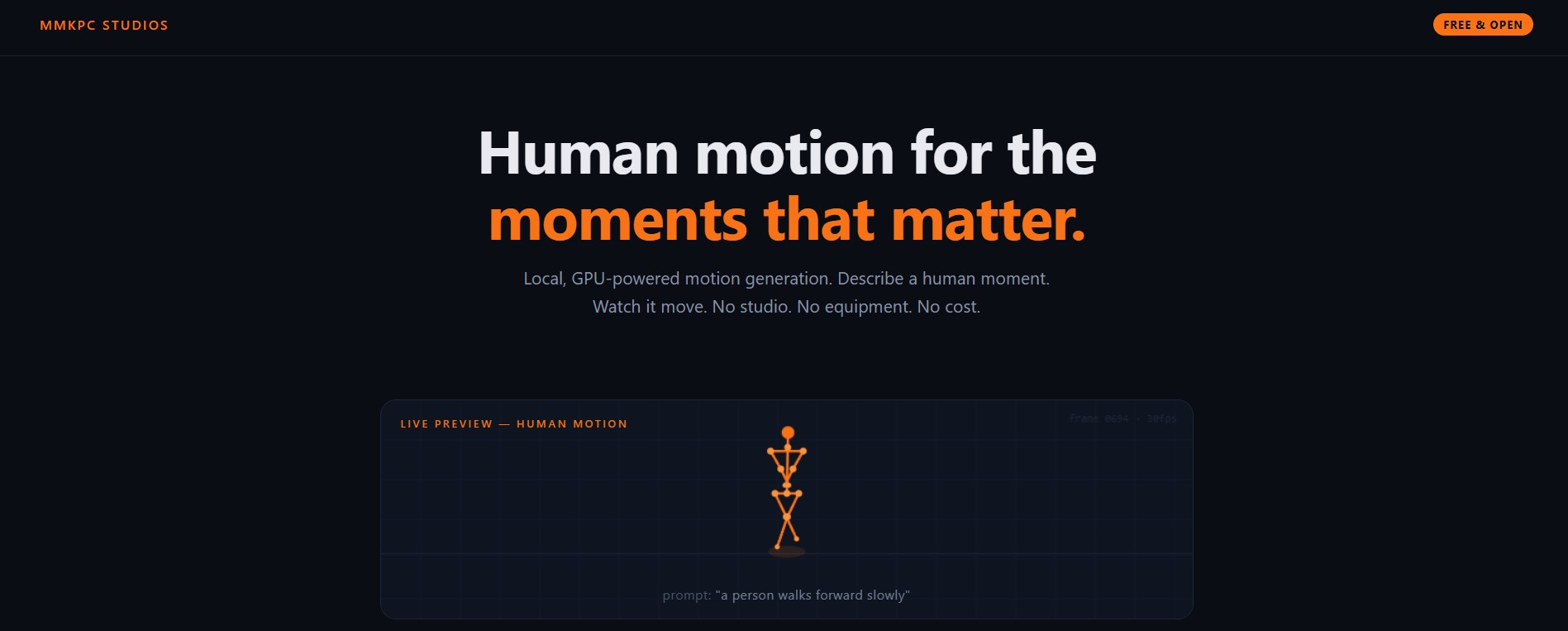
Selected breakdowns from MMKPC Studios projects across games, technical art, production systems, comics, music, and cinematic media.

Visit MMKPC Studios