The player contract was locked.
Movement, identification, routing, and extraction became the readable spine beneath the visual world.
A third-person game, characters, artifacts, comics, music, and production tools connected through one production language. This breakdown shows the plans, tests, and public examples behind the work.
Authored intent stayed intact while every system, asset, and release received a visible owner and a clear checkpoint.
Movement, identification, routing, and extraction became the readable spine beneath the visual world.
Story structure, gameplay, components, zone assembly, technical art, and release work stayed distinct.
Gameplay footage, engine captures, topology comparisons, deformation tests, and public releases show the result.
Navigation, player state, hostile readability, world effects, and objective communication share the same moving frame.
The player contract stays legible through compass direction, mission language, silhouettes, state color, traversal geometry, effects, and encounter timing.
View the Steam pageEach capture shows a different system at work.
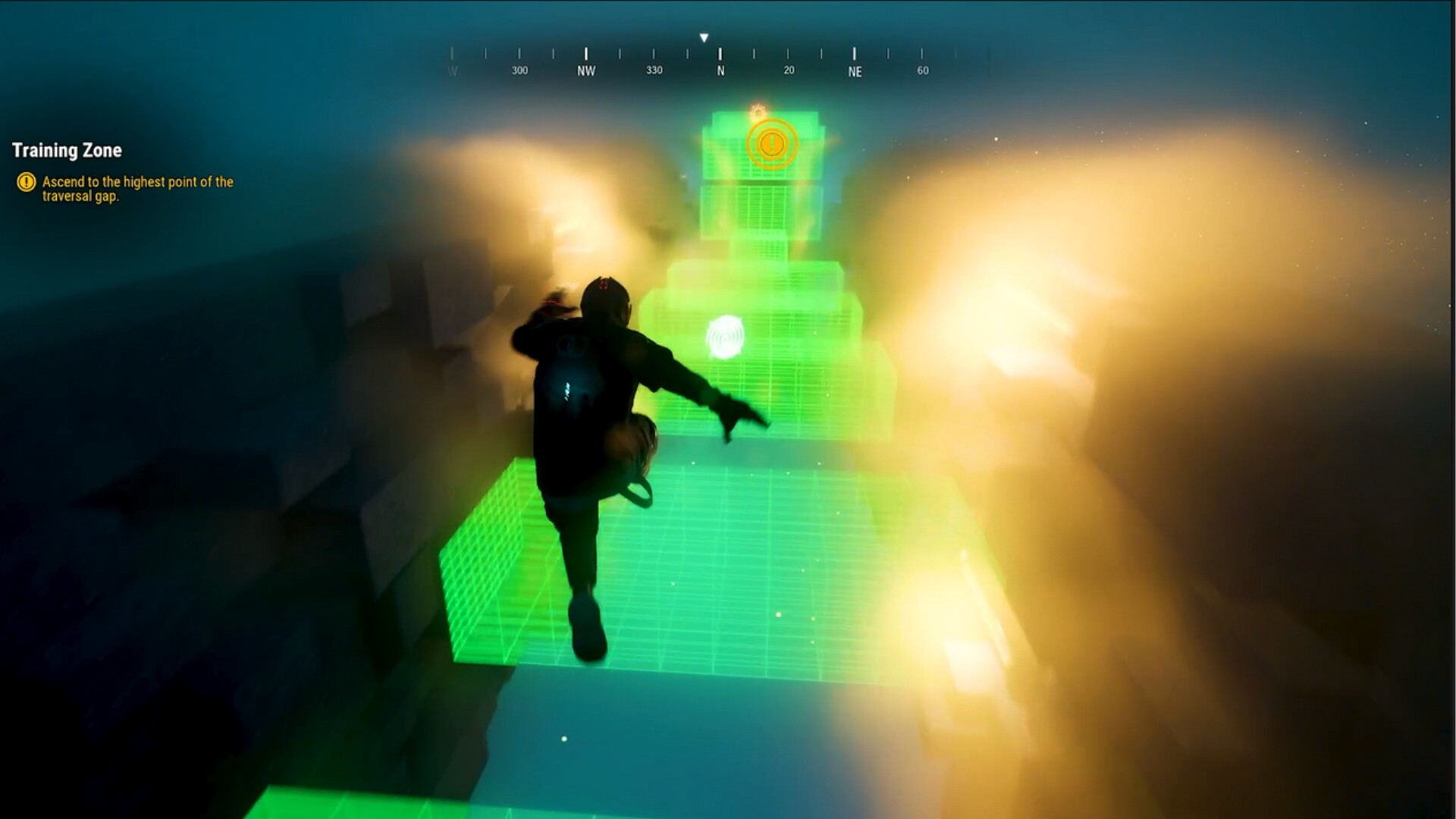
Objective geometry, destination marking, and motion align in one action.
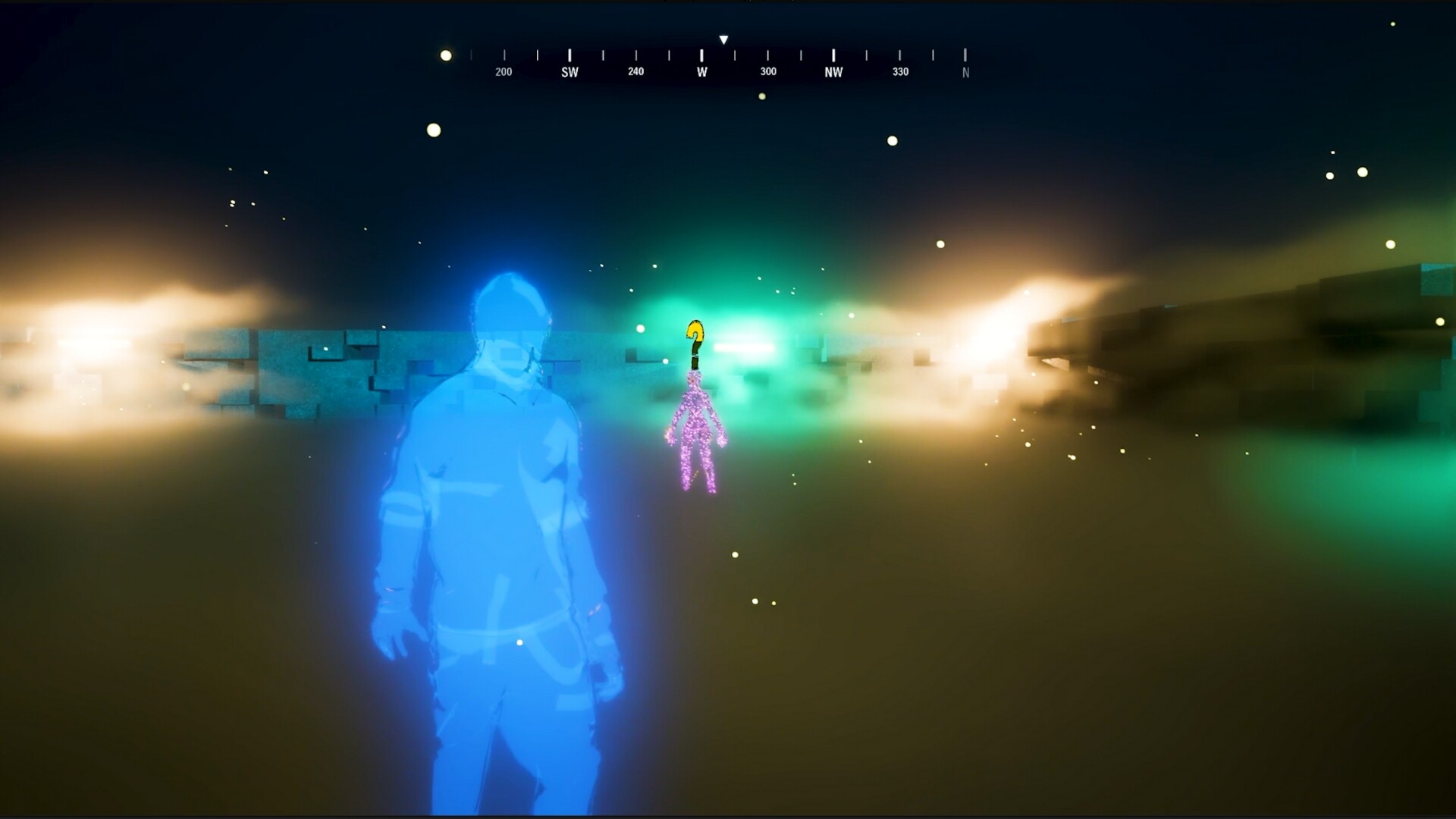
Color and silhouette preserve hierarchy under heavy effects.
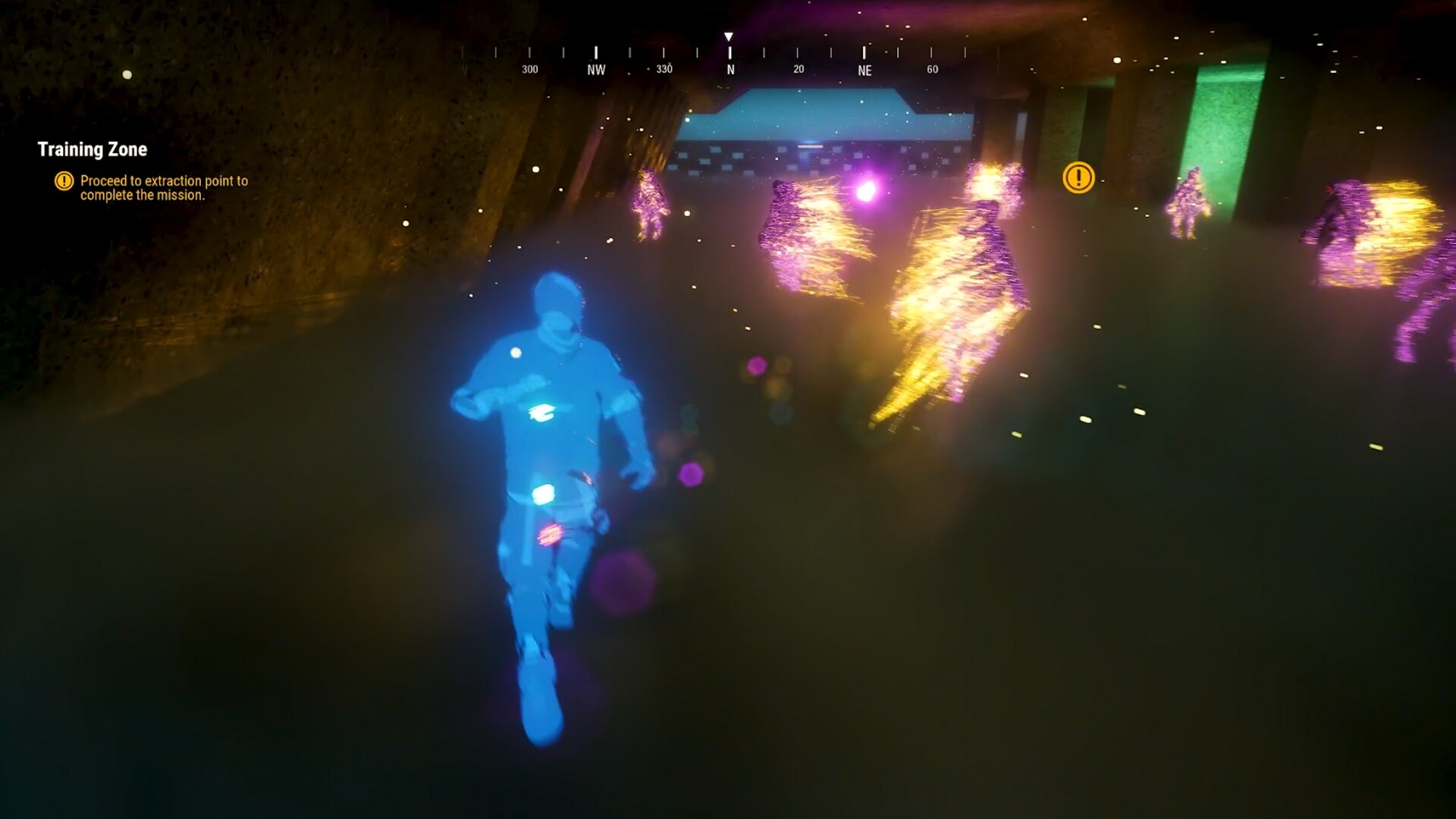
HUD, compass, hostile density, and extraction language share the screen.
Source tiers, rigged results, topology, deformation, and engine handoff were compared instead of assuming a familiar optimization step was helping.
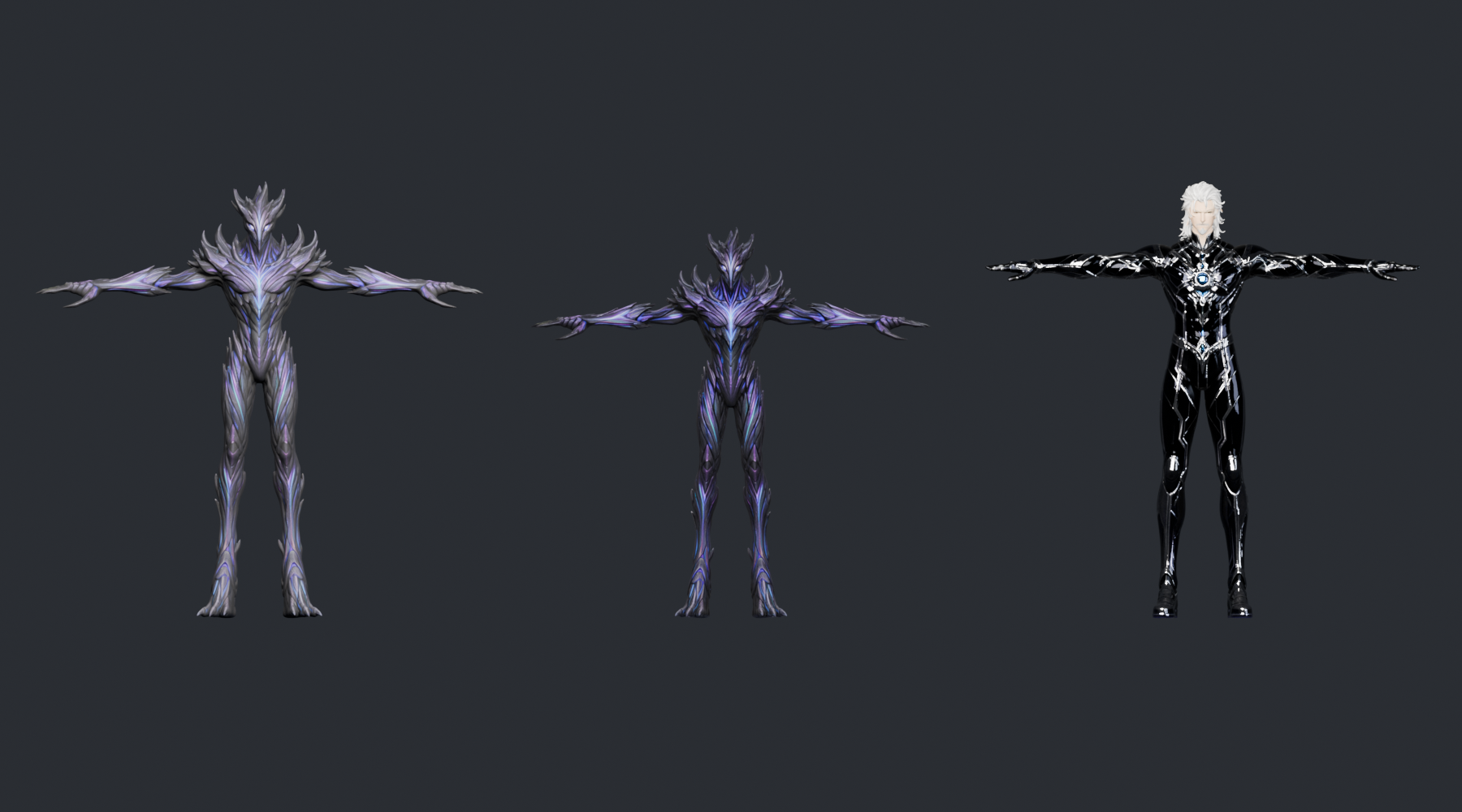
The remesh increased geometry without restoring missing form. Quality control moved upstream to generation and downstream to materials, outlines, rigging, and engine validation.
Published examples, clear results, and honest status without inventing engagement numbers or exposing unreleased story material.
Public listing, official gameplay trailer, and five gameplay captures.
Three connected RHM issues available through GlobalComix.
Character, artifact, rig, deformation, and generation-tier comparisons.
World-to-build, episode, audio, and media-control architecture.